When an employee loses a business key
Assess the risk quickly
The first thing to do is figure out what the key opens. A single key to a supply closet is one thing. A master key that opens multiple doors, the office entry, or the server room is a different situation. If the key is labelled, tagged, or attached to anything that identifies the business, the risk is higher. You need to know whether the loss is an inconvenience or a real security issue before you decide what to do next.
Ask the employee where they last saw the key, when they noticed it was gone, and whether they have any reason to believe it was taken. This is not about blame. It is about gathering facts so you can act on the right information. If the key was in a pocket that fell out on public transit, that is one scenario. If the key was left on a desk overnight or in a shared area, the exposure is different. The employee's honesty here matters more than their embarrassment.
If the key opens a storefront door, a panic bar, or any egress hardware that controls how people leave the building, then you are also dealing with life-safety considerations. That kind of key loss needs faster attention because it affects how the building can be secured and evacuated. A commercial locksmith can help you understand which keys are critical and which can wait.
Decide whether to rekey or replace
Once you know what the key opens, the next question is whether to change the locks or just the pins inside them. Rekeying means the old key no longer works and a new key is cut for the same lock. This is usually the faster and less expensive option, especially if you have a master key system. A commercial locksmith can rekey a single cylinder or a whole set of locks so that the lost key becomes useless.
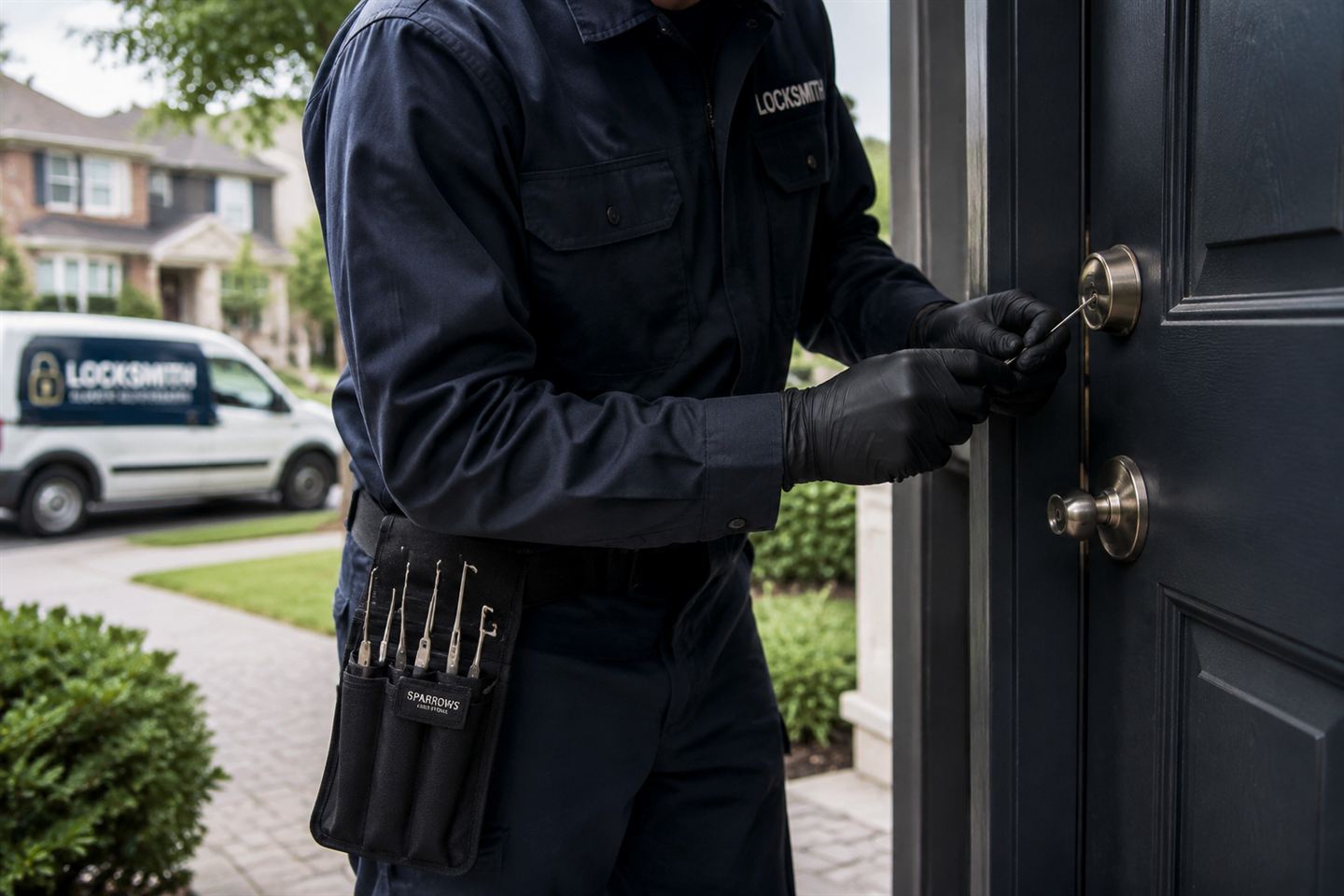
Replacement makes sense when the lock itself is worn, damaged, or of an older type that is easier to pick or copy. It also makes sense if you have been meaning to upgrade to keypad entry or access control anyway. A lost key can be the nudge you needed to move away from mechanical keys entirely. Many businesses find that after a key loss, switching to keypad or restricted key systems gives them better control and fewer headaches down the road.
Restricted key systems are designed so that only an authorised person can have a duplicate made. The key blank is patented, and a locksmith will not cut a copy without a signed authorisation card. If an employee loses a restricted key, the risk of someone getting a copy made at a hardware store is basically zero. That peace of mind is worth considering if your business deals with sensitive areas or valuable inventory.
Check your access control system
If your business already uses an access control system with keypads, card readers, or fobs, a lost mechanical key might not be as serious as it first seems. But you still need to check whether that key was part of a master key that overrides the electronic system, or whether it opens a door that the access control does not cover. Many commercial spaces have a mix of mechanical locks and electronic access, especially on back doors, storage rooms, and utility closets.
If the lost key opens a door that also has a keypad, you may be able to simply disable that user's code or change the code for that door. This is a quick fix that does not require a locksmith visit. But if the key opens a door that has only a mechanical lock, you will need to handle it the traditional way. That is where a reliable commercial locksmith comes in, and royalsecurelocksmith.com can help if you are in the Toronto or GTA area.
If you have a door closer on the affected door, check that it still functions properly after any lock work. Sometimes a rekeying or replacement job can disturb the alignment of the door closer, and a misaligned closer can cause the door to slam or not close fully. That is a small thing, but it can become a big annoyance over time.
Talk to your team about key policy
After you handle the immediate lock issue, take a moment to review how keys are managed in your business. If one employee losing a key creates this much disruption, your key management process probably has some gaps. A simple logbook or digital record of who has which key, when it was issued, and when it was returned can make future incidents much smoother.
Consider whether you need a master key system at all. A master key is convenient for managers and owners, but every master key that exists is a single point of failure. If a master key is lost, every lock in the system is compromised. Some businesses choose to have no master key at all, or to limit master keys to one or two people. Others use a system where each employee has a key that opens only their designated area, and a separate key is kept in a secure box for emergencies.
If you decide to upgrade your key system, a restricted key system or electronic access control can give you much better control. The cost is higher upfront, but the ability to instantly deactivate a lost key or change codes without calling a locksmith can save time and stress later. Many businesses find that the investment pays for itself after just one or two lost-key incidents.
Know when to call a professional
Some key losses can be handled in-house. If you have spare keys and a simple lock, you can just issue a new key and move on. But if the lost key opens a critical door, a master key system, or any lock that controls egress hardware, it is wise to call a commercial locksmith. They can assess the situation, rekey or replace the affected locks, and advise on whether your current system is secure enough.
A professional can also help you evaluate your overall security. They may notice that a door has a weak strike plate, that a lock is easy to shim, or that a door closer is not adjusted properly. These are things you might not think about when you are focused on the lost key, but they matter for the long-term safety of your business. If you are in Toronto or the GTA, royalsecurelocksmith.com can provide that kind of support, but the key is to call before the problem escalates.

Do not wait until you have a break-in or another incident to address a lost key. The cost of rekeying a few locks is small compared to the cost of a security breach. And if the key was attached to anything with the business name or address, treat the loss as a serious exposure. A quick response shows your team and your customers that you take security seriously.
Finally, remember that key loss happens. It is not a sign of a bad employee or a failing business. How you respond to it sets the tone for your security culture. Stay calm, gather the facts, and take the steps that make sense for your specific situation. A little planning now can save you a lot of trouble later.